
Ahead of Truth and Reconciliation Day on September 30, we are proud to publish our first Truth and Reconciliation Strategy Progress Report, which details the progress made in implementing the goals outlined in our ambitious, multi-year Truth and Reconciliation Strategy (TRS).
As an organization serving newcomers to Canada, both permanent and temporary residents, we recognize our unique role and responsibility in fostering awareness, dialogue, and action around Truth and Reconciliation (T&R). This strategy signals our commitment to being thoughtful, intentional, and accountable as we move forward.
“As an immigrant from a country impacted by injustice, oppression, and colonialism, I deeply understand the importance of Truth and Reconciliation…I hope to be a bridge between newcomer communities and Indigenous Peoples.”
– ABDUL SAMIM, cLIENT INTEGRATION sPECIALIST, issOFbc tri-cities (Coquitlam)
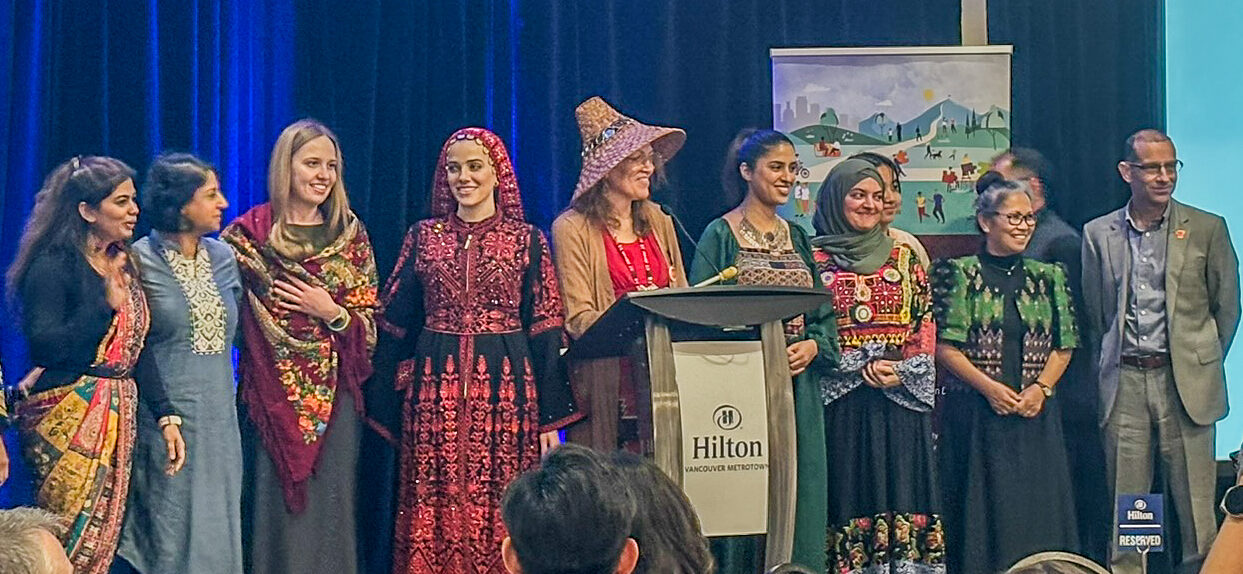
We are deeply grateful to have worked alongside two Indigenous advisors in the development and implementation of the strategy during its first year. We raise our hands in gratitude to Kory Wilson and Tami Pierce for their leadership, wisdom, and guidance.
Although progress towards the TRS goals has been limited in our first year, we wanted to share the results so that we continue to uphold our values of transparency and aspiring to do better.
We also hope that our openness about our progress inspires others in the immigration sector to discuss their own Truth and Reconciliation journeys as we work together to respect and acknowledge the Indigenous Peoples of Canada.
Key achievements in Year One of our TRS:
- Started relationship building with Indigenous communities and organizations through promotion of cultural events, activities, and celebrations.
- Established Indigenous protocols to standardize land acknowledgments and honoraria processes when collaborating with Indigenous leaders and elders.
- Launched the ‘Canada: The Rich and Vibrant History of Indigenous Peoples’ curriculum for refugees and refugee claimants and enhanced our LINC English language classes with our Reconciliation Awareness LINC Lessons (RALL) and Welcome to Our Homelands video and study guide available in 17 languages.
- Planned attendance at Indigenous job fairs and expanded diversity statements in job descriptions, and reviewed Human Resources’ revised policies through a decolonization and reconciliation lens.
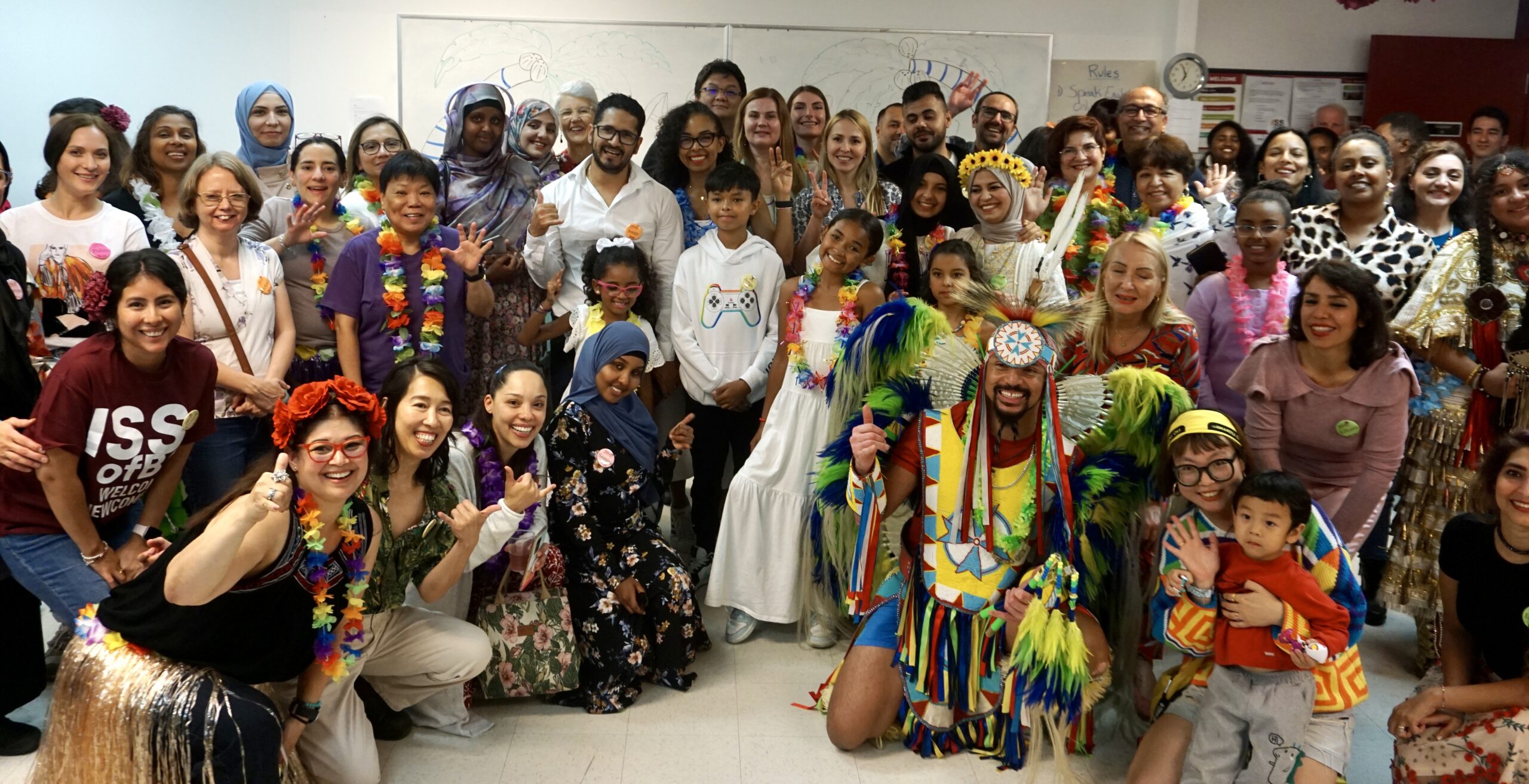
Looking forward to Year Two of our TRS:
Although we have not progressed in all the areas of our Strategy that we wanted in the first year, we will continue to implement the Strategy into Year Two, with the following priorities:
- Further develop relationships with Indigenous communities through events and celebrations.
- Promoting reconciliation through spheres of influence.
- Increasing the knowledge and understanding of Indigenous Peoples among our clients, staff, and volunteers.
- Consistently observe Indigenous cultural protocols.
- Improve cultural safety in the workplace.
- Expand Indigenous input to organizational decision-making at the Executive and Board levels.
- Establish an effective working group to drive the government of this initiative.
We are also organizing a series of discussion sessions with ISSofBC staff to explore the key changes and recommendations from the TRS and how we can work together as an organization to better support the learning and recognition of Indigenous voices and culture in our daily work.
For more on our approach to Truth and Reconciliation, visit our T&R pages here.