
On Friday, June 20, 2025, ISSofBC was proud to join organizations across Canada and around the world in recognizing World Refugee Day, an international day designated by the United Nations to honour the strength, courage, and contributions of refugees.
This year’s Vancouver event—held at the Vancouver Public Library’s Central Branch and organized by the Multicultural Advisory Panel of BC (MAP BC)—brought together refugee claimants, service providers, and community members to reflect on the theme:
“No Place for Refugees: Is Canada Becoming Less Welcoming?
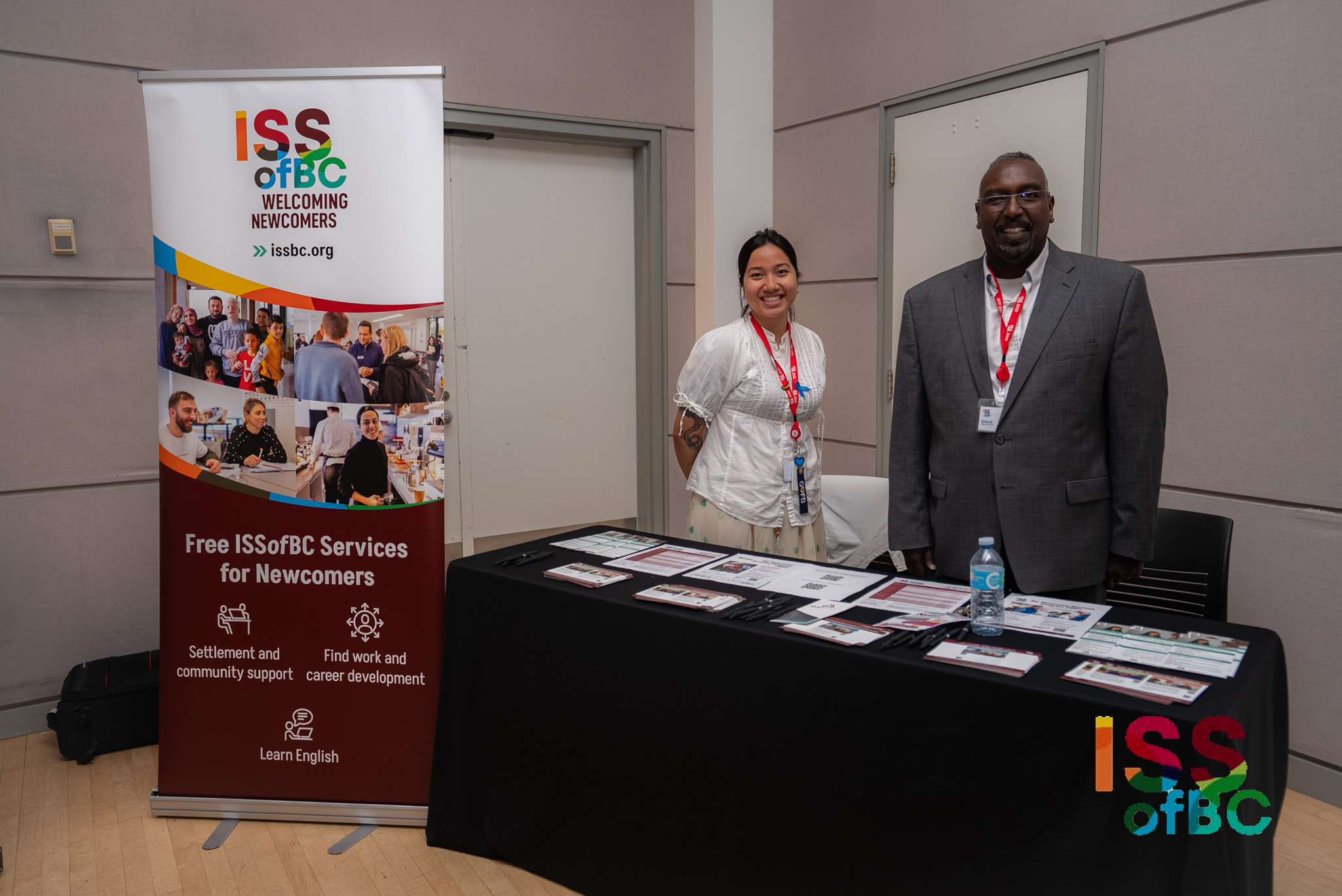
As a long-standing member of MAP BC, ISSofBC was deeply involved in the planning and success of the event, participating from the first meeting on May 7 through to the event’s conclusion. Our team—Mahi Khalaf, Richardo Reyes, Bliss Jordahl, Jodie Barros, and Khalid Nour—joined with other service providers to connect attendees with essential supports, while also reaffirming our collective commitment to creating a more inclusive and compassionate Canada.
The importance of education, advocacy, and community
With over 123 million people forcibly displaced around the world – more than triple the number in 2000 – this year’s World Refugee Day was more urgent than ever. According to UNHCR, 36.8 million are refugees, with another 8.4 million seeking asylum. Behind these numbers are real lives: people fleeing conflict, persecution, climate disaster, and systemic violence in search of safety.
Canada has long been seen as a haven for refugees, but there is growing concern that shifting policy and rhetoric are making it harder for some of the most vulnerable to find protection. As highlighted in the panel discussion moderated by Thanh Lam, Executive Director of Gordon Neighbourhood House, panelists Saleem Spindari (former CCR Executive Committee member) and Aleks Manzur (Co-Executive Director of Rainbow Refugee Society and former CCR President) shared urgent insights on the impacts of Bill C-10 and other measures restricting access to asylum.
This type of public dialogue is essential. Studies on community engagement highlight that knowledge sharing and inclusive dialogue foster better social cohesion and increased support for refugee integration. When the public hears directly from those with lived experience, it reduces misinformation and strengthens empathy.
Building Capacity and Community
The day featured more than just policy discussion. It was also a celebration of resilience. Former refugee claimants shared their journeys, inspiring those in attendance with stories of survival, reinvention, and making a meaningful contribution.
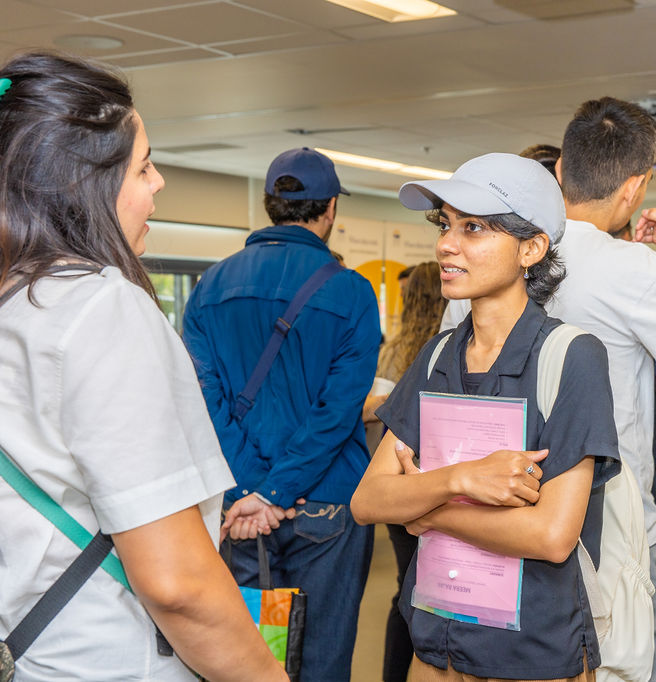
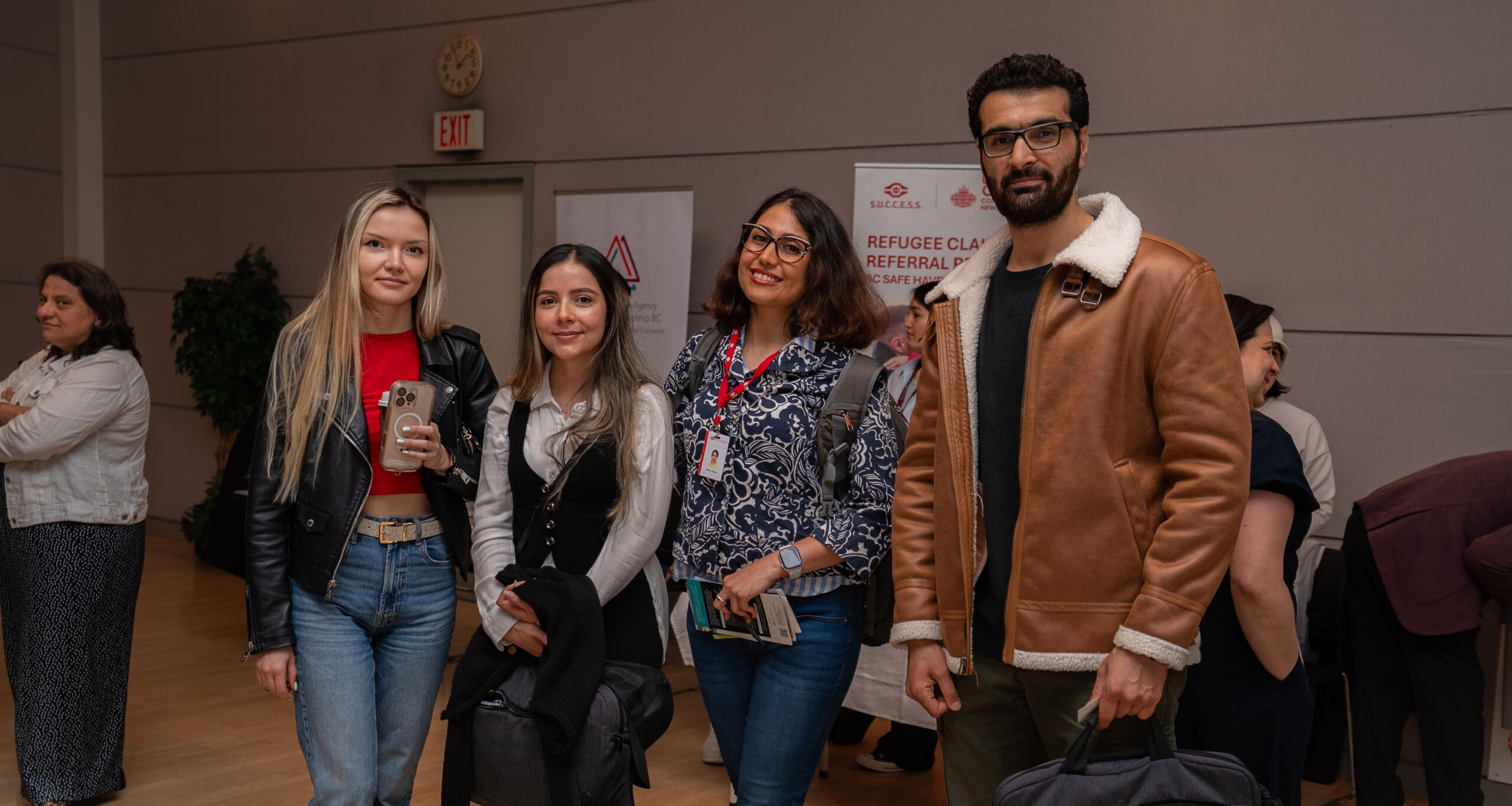
Around 85 attendees, including community members, refugee claimants, and agency staff, gathered for a powerful afternoon of learning, listening, and connection. Tables staffed by MAP member agencies provided essential information on settlement services, legal supports, trauma counselling, employment programs, and more.
At ISSofBC, we believe in a whole-of-community approach to refugee support. Our work extends beyond direct services—we strive to build welcoming communities through partnerships, education, and advocacy. Research consistently shows that when newcomers feel welcomed and supported, they are more likely to thrive, contribute, and remain engaged with their new communities (Simich, Beiser, & Mawani, 2003).
Looking Forward: From Awareness to Action
World Refugee Day is not only about reflection—it’s a call to action. Amid rising anti-immigrant sentiment and restrictive immigration policies, we must push back against fear-based narratives. Refugees are not a burden—they are neighbors, innovators, entrepreneurs, and caregivers who strengthen the fabric of our society.
As we continue our work in refugee settlement and community building, we reaffirm our commitment to:
- Support all people fleeing forced displacement
- Advocate for equitable and accessible immigration policies
- Build public understanding and empathy through community education
- Uplift refugee voices in all areas of public life
Together, we can ensure Canada remains a place of welcome, not just in name, but in practice.