
Reaching Canada is often presented as the happy ending.
For Dacious Richardson, Ebrahim Al-Yousefi, Ajlin Mehmedi and Hamoudi Saleh Baratta, it was not the end of the story.
It was the beginning of another one.
In a four-part series created by The Newcomers Podcast in collaboration with ISSofBC, host Dozie Anyaegbunam explores what happened after each person reached safety.
The conversations are honest. Starting again involved loneliness, interrupted education, unrecognized experience and years of searching for belonging.
But these stories are not only about what was lost.
They are about what each person carried forward—and what Canada gained.
Together, the four episodes share one clear message:
Refugees are good for Canada.
A ball became a shared language
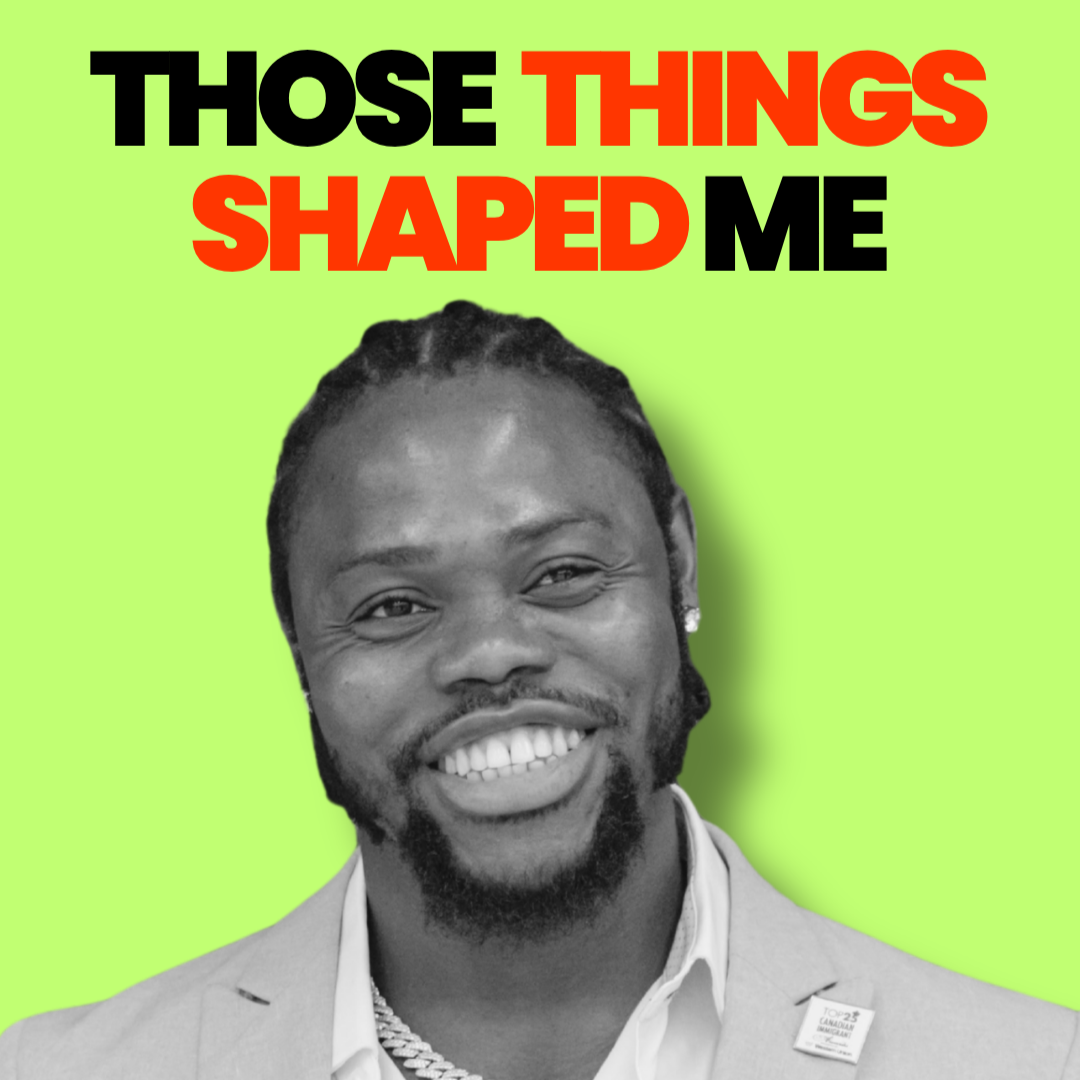
Dacious Richardson came to Canada from Liberia as a refugee in 2011.
He had grown up during civil war and carried those experiences with him long after reaching safety. In Canada, he filled his days with soccer, wrestling, school activities and community involvement.
Today, Dacious is a youth mentor, community leader and founder of Rise Above Reality Expectation Community Services Society. Through sport, mentorship and leadership development, he creates spaces where young people can connect, grow and find direction.
Dacious shows us that belonging can begin before people speak the same language.
🎧 Listen to Dacious Richardson’s episode:
E163: Dacious Richardson on the choices he’s made after landing in Canada as a refugee
Gratitude became something to practice
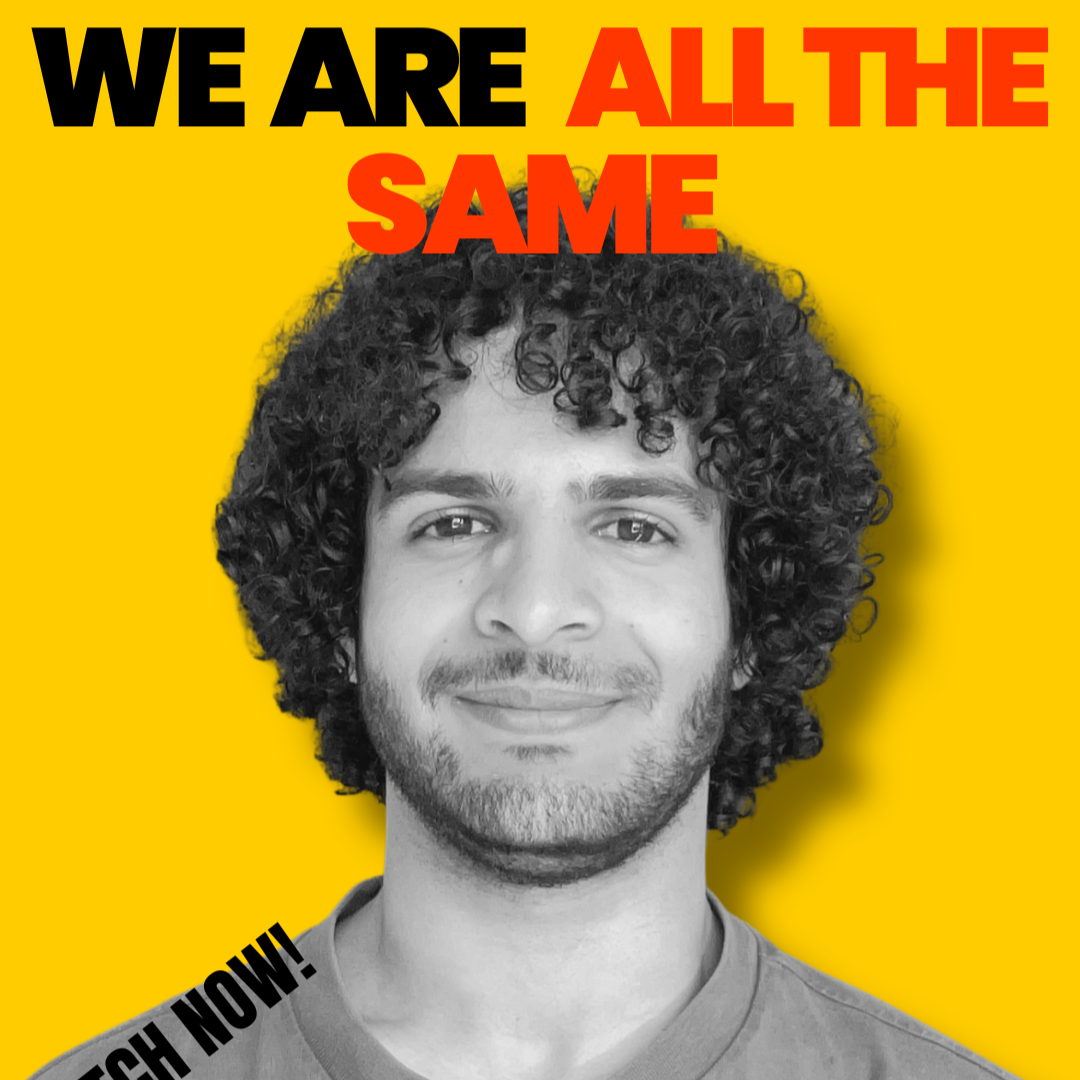
Ebrahim Al-Yousefi’s journey took him from conflict in Yemen through Saudi Arabia, Malaysia and Egypt before he reached Canada.
Ebrahim was raised to believe that support should move in both directions: when someone invests in you, you find a way to invest in others.
Education became another part of his journey. Ebrahim received scholarships worth approximately $300,000. Members of the Abbotsford community later created a scholarship fund in recognition of his journey and contributions.
For Ebrahim, gratitude is not only something a person feels.
It is something a person practices.
🎧 Listen to Ebrahim Al-Yousefi’s episode:
E164: Ebrahim Al-Yousefi is giving back to Canada, every day
The talent Canada left unused
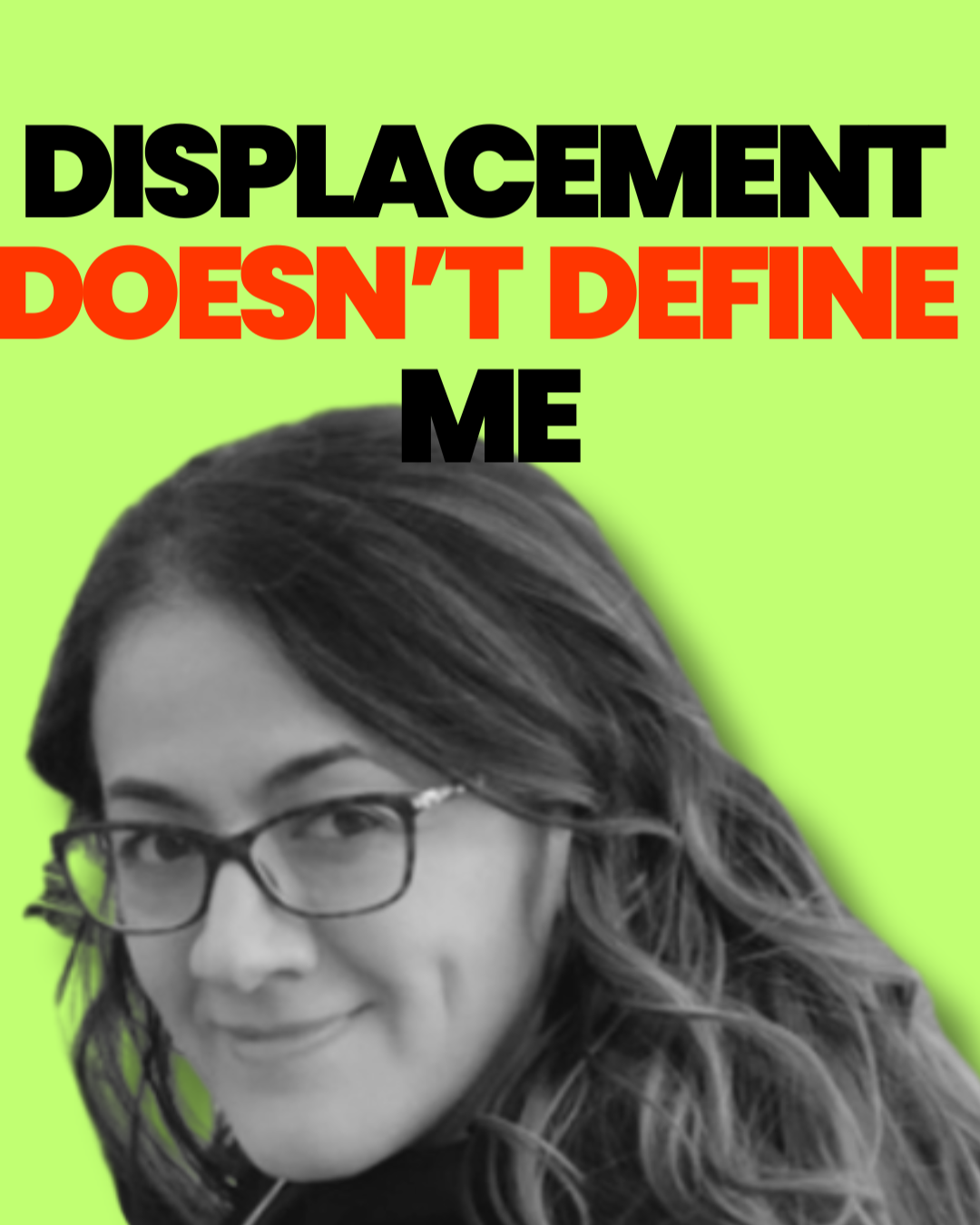
Ajlin Mehmedi arrived in Canada as a government-assisted refugee after fleeing the former Yugoslavia in her early twenties.
Her family did not arrive as blank slates.
Ajlin’s father was an obstetrician-gynaecologist with more than 30 years of experience, published work and involvement in a project with Columbia University. Her mother was a dermatovenerologist.
Neither practised medicine in Canada.
Ajlin now uses that lived experience to build bridges for others. Her family’s story shows what Canada loses when newcomer talent goes unrecognized. Her work shows what becomes possible when lived experience is valued as knowledge.
Canada does not lack talent.
Much of that talent is already here.
🎧 Listen to Ajlin Mehmedi’s episode:
E166: Ajlin Mehmedi on the immigrant talent Canada doesn’t use
The dream changed, but it did not disappear
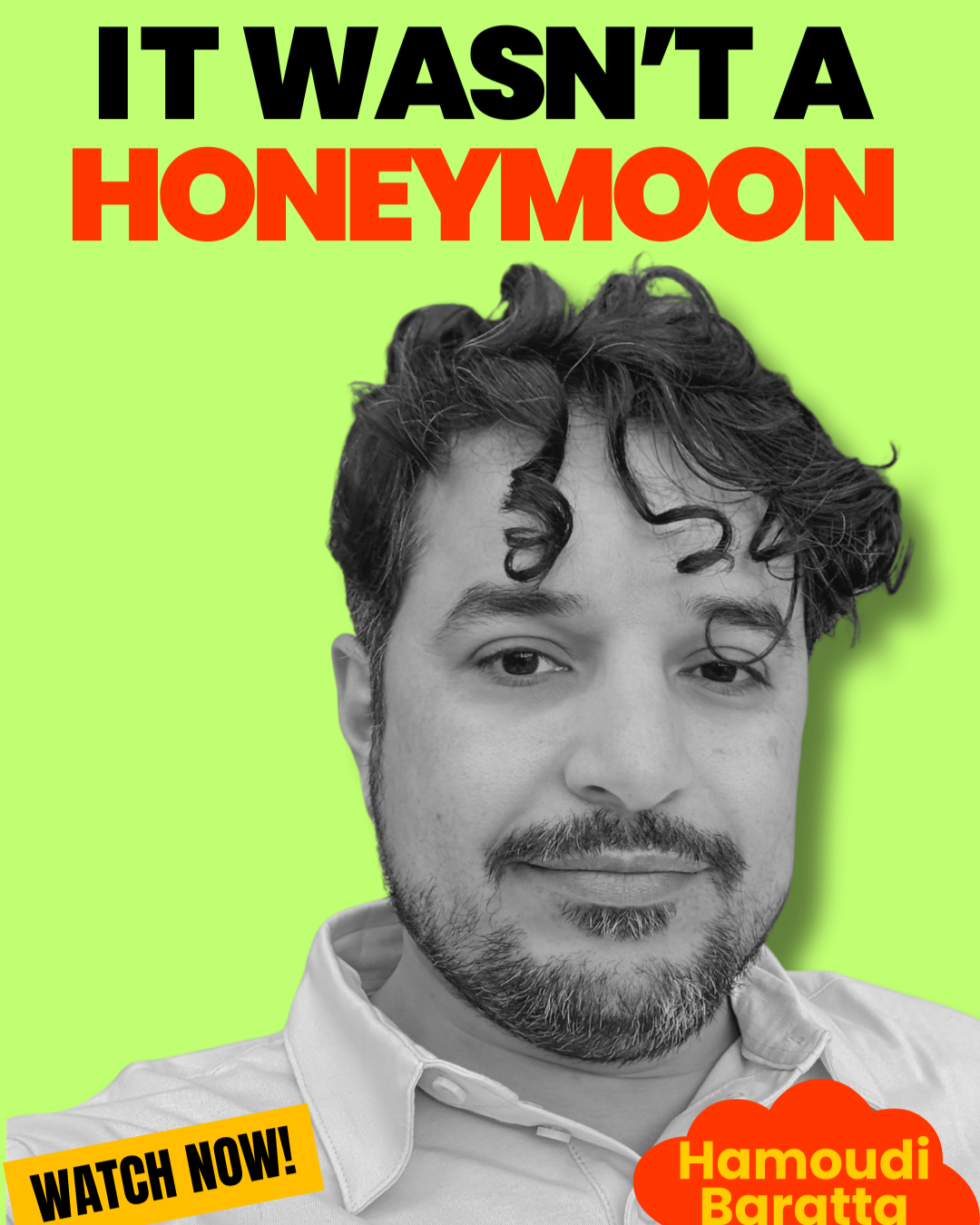
Before coming to Canada, Hamoudi Saleh Baratta was studying medicine in Syria.
He filmed some of the first footage of the Syrian revolution and was imprisoned and tortured for speaking out. Hamoudi later arrived in Canada alone, with little English and medical studies he had been unable to complete.
From the outside, reaching Canada could have looked like the end of his difficult journey.
Hamoudi describes it differently:
“It wasn’t a honeymoon here in Canada. It was a tough life that I had to start alone with no language, with no friends.”
Arrival was not the conclusion.
Hamoudi’s story does not pretend that hardship has a simple resolution. It shows what it means to refuse to let one chapter claim the entire story.
🎧 Listen to Hamoudi Saleh Baratta’s episode:
E168: Hamoudi Saleh Baratta refuses to let torture define him
What Canada gained
Each person arrived carrying a life that had already begun: knowledge, education, relationships, values, interests and plans for the future.
Displacement interrupted those lives.
It did not erase them.
Canada did not create their determination, care or ability to contribute. They brought those qualities with them. Safety and opportunity gave those qualities room to take new forms.
This is why refugees must be seen as whole people—not only through the circumstances that forced them to leave.
It is also why refugees are good for Canada.
Their experiences offer knowledge that can strengthen the systems and communities around them.
However, refugees should never have to prove their value to deserve safety. Protection is a right, not a reward for future success.
When refugees are welcomed with dignity, their existing knowledge is recognized and they receive fair opportunities to participate, everyone benefits.
We thank Dozie Anyaegbunam and The Newcomers Podcast for creating space for Dacious, Ebrahim, Ajlin and Hamoudi to speak in their own words.
👉 Read how refugees Are Good for Canada: World Refugee Day 2026
👉 Learn and share the facts about refugees
👉 Donate to refugee programming or become a volunteer through ISSofBC
👉 Send a message to your MP or sign the Canadian Council for Refugees petition to the Prime Minister
👉 Welcome newcomers in your community.